
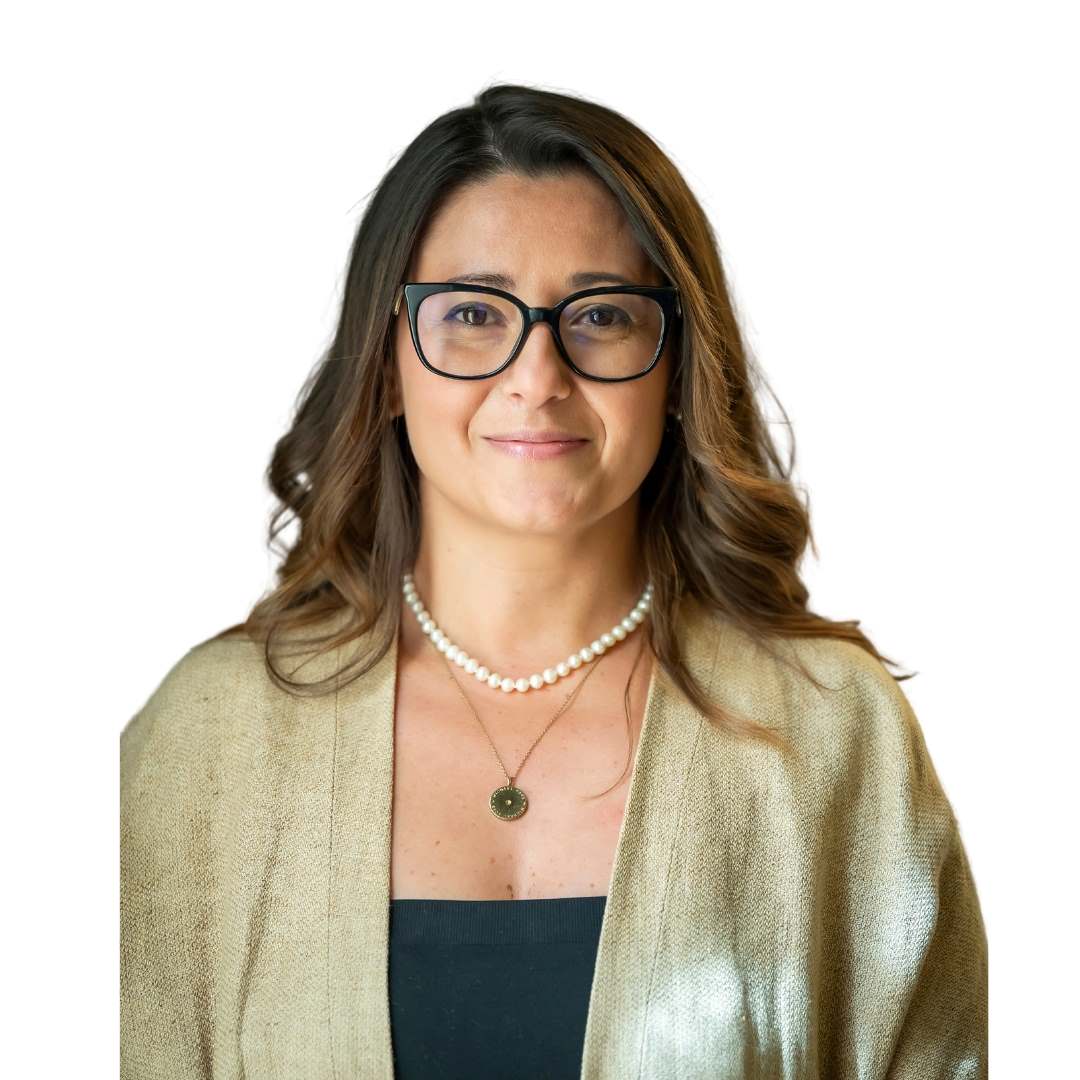
This article originally appeared in LinkedIn Pulse, authored by Louise Vella.
By a Maltese woman director looking towards 2026 and beyond
As I reflect on my own journey in corporate leadership, I see 2026 not as a distant milestone, but as a pivotal moment for boardrooms in Malta.
For years, the conversation around women on boards focused on representation, on how many women should be present. Today, following the EU Women on Boards Directive and its implementation in Malta through the MFSA Capital Markets Rules, that numerical conversation is evolving into something far more meaningful. It is becoming a discussion about how boards actually lead, think, and add value.
More Than a Diversity Measure
Under the MFSA Capital Markets Rules, effective since December 2024, listed companies in Malta must achieve one of two targets by 30 June 2026:
40 percent of non-executive director roles held by women, or
33 percent of all board positions held by women
These targets are clear and well-defined. But they are not the full story.
The real shift is in expectation. Boards are being encouraged to move beyond familiar networks and informal succession planning towards transparent, merit based appointment processes. The aim is not simply to meet targets, but to strengthen governance and strategic oversight, and that is where meaningful change begins.
From Representation to Impact
I have seen firsthand how boards that intentionally broaden their search for directors benefit from richer dialogue, deeper challenge, and more effective risk oversight. Diversity is not a box to be ticked. It is a source of resilience and insight.
In Malta, many organisations still rely on long-standing networks when recruiting board members. There is nothing inherently wrong with experience, but experience alone is not enough. Boards must ask whether they are selecting directors who bring the skills needed for the challenges ahead. Transparent and skills-based selection helps answer that question.
Importantly, diversity and competence are not opposing choices. They strengthen each other. A board that reflects a broader range of professional and lived experience is better positioned to support long term strategy and robust governance.
A Governance Gap and an Opportunity
Recent surveys suggest that formal governance practices, particularly in privately held and family-owned companies in Malta, do not always match the complexity of the businesses they oversee. Fewer organisations report active, functioning boards, independent non-executive directors, or documented strategic and succession plans.
This is not only a gap. It is an opportunity.
It is a chance for boards to examine how they operate, who they appoint, and how they prepare for the future. Women with executive, sector, financial, and governance experience are increasingly well placed to step into roles that carry real responsibility and influence.
Rising Expectations for Directors
By 2026, expectations of board directors will extend well beyond compliance. Boards are increasingly expected to demonstrate:
Independent judgement and the confidence to challenge constructively
Strategic contribution with a focus on long-term direction and organisational resilience
Oversight of succession at both the executive and board levels
Skills-based composition with boards built intentionally rather than historically
Gender balance supports these outcomes by broadening how decisions are shaped, tested, and challenged.
Leadership Beyond Compliance
The June 2026 deadline is fixed. How boards choose to respond to it is not.
Treating gender balance as a last-minute compliance exercise risks missing the wider governance shift already underway. Boards that engage early by reviewing composition, assessing skills, and planning succession can use this moment to strengthen governance in a meaningful way.
In my experience, these are the boards best placed to support sustainable growth and long-term leadership.
A Defining Moment for Women Leaders
For women leaders in Malta, the conversation is no longer about whether we belong in the boardroom. It is about how we contribute, how we influence strategy, and how we help shape organisations that are accountable, resilient, and future focused.
This moment is not simply about representation. It is about better decision-making, stronger governance, and leadership that reflects the realities of the world organisations operate in.
The question for every board is no longer whether it can meet the 2026 targets, but how it will use this moment to build a stronger, more effective board for the future.
For organisations seeking support in reviewing board composition, strengthening governance practices, or approaching gender balance in a strategic and sustainable way, I am always open to discussion. This moment deserves more than compliance; it deserves leadership.